Table of Contents:
- What's in a Name: Ductless, Mini-Split, or Ducted Heat Pump?
- Ductless vs. Mini-Split: Are Overlapping Terms
- Heat Pump Technology: How the Equipment Works
- The Condensing Unit: What Sits Outside Your Home
- What You Are Actually Buying: How the Pieces Fit Together
- Schedule an Honest Estimate with Evergreen Heating & Cooling Today
What's in a Name: Ductless, Mini-Split, or Ducted Heat Pump?
Ductless, mini-split, and ducted heat pump systems are often referred to interchangeably, but these terms describe different types of heating and cooling applications.
- Ductless and Mini Split systems distribute heated or cooled air without relying on traditional ductwork. They are ideal for homes and buildings without existing ductwork or where installing ducts is not an option.
- Ducted Heat Pumps are just that, a system that connects a variable speed air handler to an outdoor heat pump. This air handler can connect to an existing duct system or newly constructed duct system to distribute conditioned and filtered air to larger spaces that usually have many rooms. This allows better coverage and often overlooked rooms such as bathrooms and larger closets can be heated and cooled. This also allows one point of annual service and one condensate drain to maintain.
- Ductless systems, Mini Splits, and Ducted Heat Pumps all utilize the same high efficiency, modulating heat pump technology to transfer heat rather than generate it directly. Heat pumps can provide both heating and cooling.
While these three systems share similar features and are often installed together, understanding their differences helps property and homeowners choose the right solution for their space.
Looking for a Ductless Heat Pump? Evergreen Heating and Cooling Can Help!
Contact Ben at Evergreen Heating & Cooling

Ductless vs. Mini-Split: Are Overlapping Terms
Most mini-splits are ductless systems, which is why the terms are often swapped. Both typically use an outdoor unit connected to one or more indoor units to deliver conditioned air directly into living or work spaces.
Heating and Cooling Without Air Ducts
Ductless and Mini-split systems provide efficient heating and cooling without the need for traditional air ducts. Because they don't rely on extensive ductwork, these systems are ideal for older homes, additions, finished basements, and commercial spaces where installing ducts is challenging or not possible.
Controlling Individual Rooms and Zones
Another major advantage of Ductless and Mini-split systems is the ability to control different spaces independently. This can reduce unnecessary energy use in unoccupied areas, improve year-round comfort, and potentially lower energy costs.

Pros and Cons of Ductless HVAC
Are you looking for the most efficient heating and cooling system? You can start looking at the ductless HVAC system.
Heat Pump Technology: How the Equipment Works
Heat pump technology provides an energy efficient way to maintain comfortable indoor temperatures throughout the year by transferring heat rather than generating it directly. Heat pumps work year-round, providing both cooling in summer and heating in winter.
Summer Cooling Cycle
During the summer, heat pumps remove heat from inside the building and transfer it outdoors, helping maintain a cool, comfortable indoor environment during the hottest months of the year. The process begins when refrigerant absorbs heat from the indoor air as it passes through the indoor coil. The refrigerant then carries that heat to the outdoor unit, where it is released into the outside air. Meanwhile, the cooled air is circulated back throughout the building to help maintain consistent indoor temperatures.
Winter Heating Extraction
During the winter, heat pumps extract available heat from the outdoor air and transfer it indoors to warm the space, providing an efficient alternative to traditional heating systems. Even when outdoor temperatures are cold, the air still contains thermal energy that a heat pump can capture. The system uses refrigerant to absorb this heat through the outdoor coil, then compresses the refrigerant to raise its temperature before transferring the heat to the indoor air.
The Condensing Unit: What Sits Outside Your Home
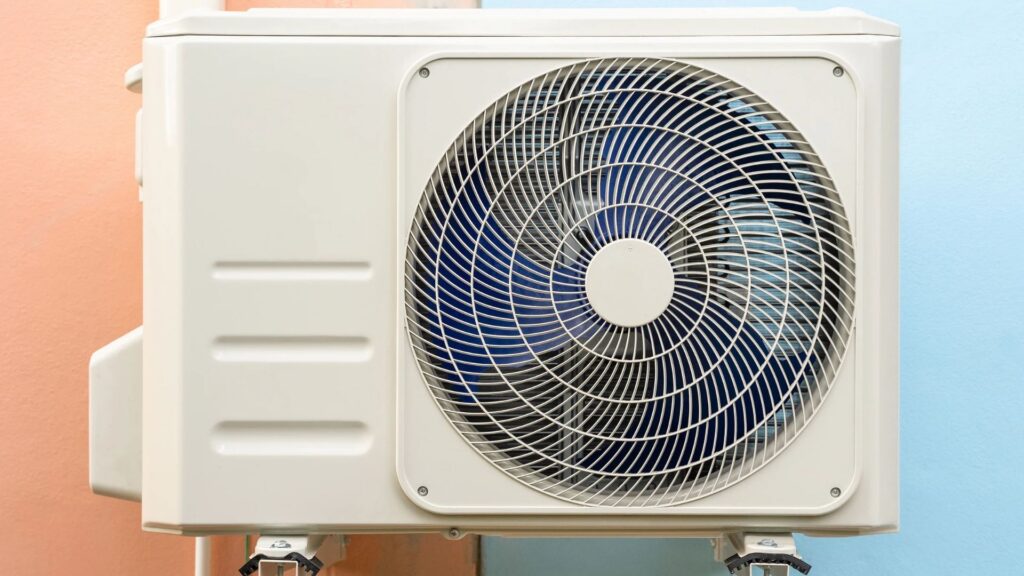
The outdoor condensing unit is a key component of many HVAC systems and is responsible for transferring heat between your home and the outdoor environment. Typically located on a concrete pad or mounted on a support bracket, this unit houses essential components such as the compressor, outdoor coil, and outdoor fan. On an air conditioner this is called a condensing unit; on a heat pump, the same outdoor unit reverses its role in winter to pull heat from the outside air, which is why it is key to both heating and cooling.
What You Are Actually Buying: How the Pieces Fit Together
When you invest in a ductless HVAC system, you are purchasing a set of components that are designed to provide heating and cooling throughout your space. The system typically includes an outdoor unit, one or more indoor units, and refrigerant lines that connect the indoor and outdoor equipment. Electrical wiring, communication cables, and a condensate drain are also part of the installation, supporting safe operation and removing moisture collected during the cooling process. Together, these components create a flexible, efficient climate control solution tailored to your home or building.
Schedule an Honest Estimate with Evergreen Heating & Cooling Today
Ready to upgrade your home's comfort with a ductless, mini-split, or ducted heat pump system? Schedule an honest estimate with Evergreen Heating & Cooling today! Our team will work with you to find the best system based on the layout, comfort needs, and budget for your home or property. Whether you're looking to improve energy efficiency, add heating and cooling to a new space, or replace an outdated system, we're here to help you make the right decision. We pride ourselves at looking at each job from every possible angle and coming up with the best option for every space.
